

A little history of Lederhosen
Jeans have their history, shorts have their history. But the history of no legwear is as exciting as that of leather pants. Frowned upon, loved, forbidden, hip. The Lederhosen has been through a lot over the years. Reason enough for a little excursion into the past.
Born out of protest: The first Trachtenverein (traditional costume association)
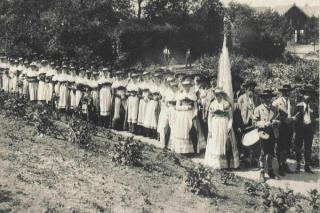
There are endless things to protest for or against. In the case of Josef Vogl in 1883, it was loden trousers. This type of trousers rubbed “Sepp” and his regulars so much the wrong way that they had the tailor make them traditional short leather trousers, which they liked much better. Since there were only six of them and they wanted to give their cause more importance, they quickly founded an association: the first Trachtenverein (traditional costume association).
Hallelujah! Wearing Lederhosen to church
Vogl and his friends were not prepared to let “trivialities” such as the prevailing etiquette of the time deter them from their fashion mission. Their commitment to their cause went so far that they did not shy away from attending church services wearing leather trousers. The response was quite clear. The congregation showered the six activists with scorn and ridicule, and the church also immediately took a stand against what it considered to be completely inappropriate legwear. But sometimes one fan is enough, if it's the right one. In this case, it was none other than King Ludwig II. The enthusiastic traditional costume enthusiast liked the lederhosen idea so much that he even mentioned it favorably in a letter he wrote specifically for the occasion.
The revival of lederhosen
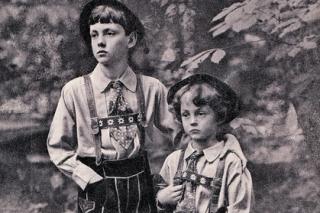
Other noble houses were also infected by King Ludwig's enthusiasm for the former work pants of farmers, raftsmen, and dairymen and rediscovered lederhosen for themselves. Suddenly, Duke Max, the father of Empress Elisabeth, Prince Luitpold, and numerous other Habsburgs and Wittelsbachs were proudly posing in lederhosen while hunting. And as is often the case with trends, they suddenly caught on. Summer visitors who came to the lederhosen regions for relaxation contributed to their new boom, as did the country's intellectual elite, who suddenly started wearing lederhosen again. And now that lederhosen were back, they could be refined. Edelweiss and gentian flowers were added to the suspenders, and the pants were embroidered with oak or vine leaves. The seat, i.e., the back, was often decorated with aphorisms or the likeness of Ludwig II.
Every pair of lederhosen is different: the length makes the difference
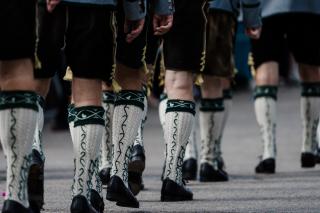
But it's not just the designs that offer impressive variety when it comes to lederhosen; the length also makes a difference. The first leather pants, worn by Ötzi, the world-famous glacier mummy, were long. In the 17th century, knee-length pants became popular, revealing the muscular calves of the men who wore them. The model designed to give mountain hunters and dairy farmers the legroom they needed was even shorter. Boot leather trousers have a slightly different cut. They have extra-tight legs that are tied at the ankles. And then there is this one model with a special effect. Plattler trousers end just above the knee, and their cut and design serve only one purpose: to make the sound of the hand striking the shoe during Schuhplatteln dancing louder.